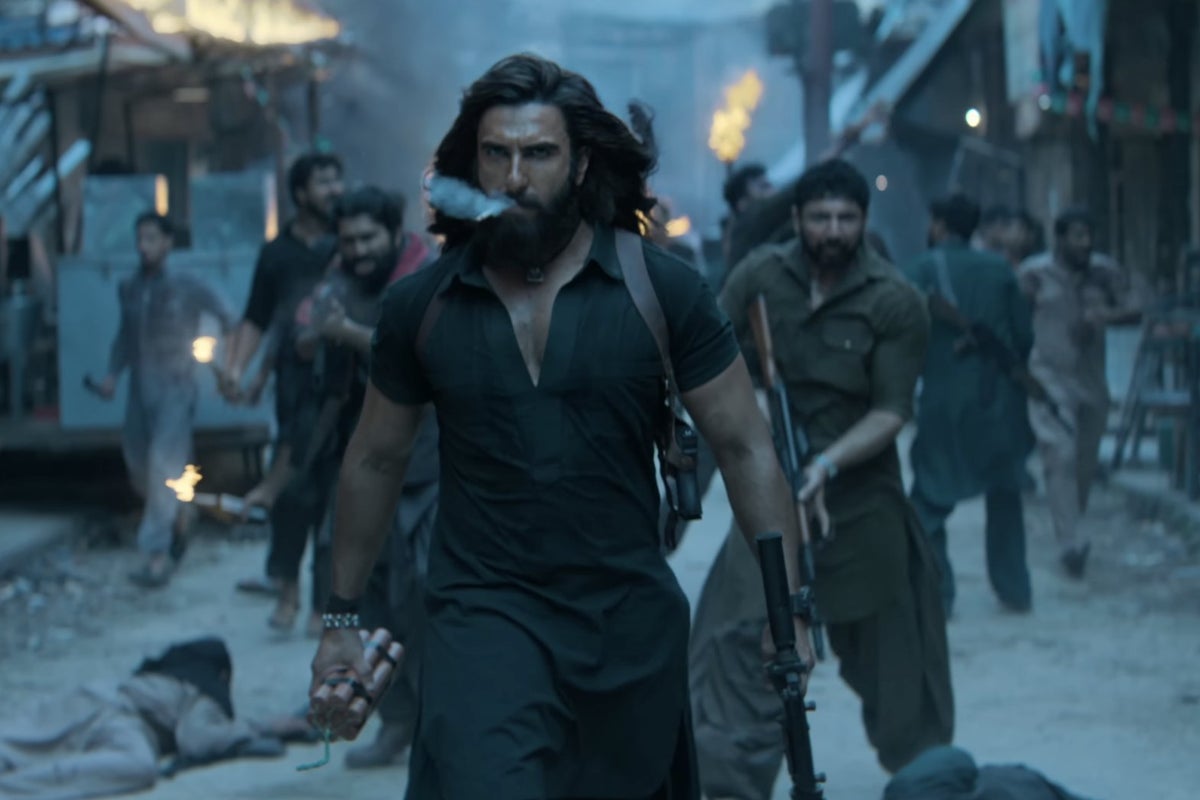
Unpacking the Grip of Hypermasculine Nationalism: Propaganda & Empire's Crimes Through Film
The intricate relationship between masculinity, national identity, and state power has long been a subject of critical analysis. At its most potent and often most dangerous, this intersection manifests as hypermasculine nationalism—an ideology that champions aggressive, dominant male characteristics as essential to national strength and virtue. This worldview, frequently propagated through powerful mediums like cinema, fosters a binary perception of the world, where national purity is upheld through the subjugation or elimination of perceived enemies. Understanding how hypermasculine nationalism films craft and disseminate these narratives is crucial to discerning their profound impact on society and geopolitical actions.
From the jingoistic war epics of yesteryear to contemporary blockbusters, these films serve as more than mere entertainment; they are often sophisticated instruments of propaganda, shaping public opinion and legitimizing state violence. They tap into deep-seated anxieties and desires for belonging, offering a simplistic yet compelling vision of national glory rooted in a specific, often narrow, definition of manliness.
The Anatomy of Hypermasculine Nationalism in Media
Hypermasculine nationalism, as a belief system, thrives on specific characteristics: an insular worldview, an embrace of anti-intellectualism, and a preference for simplistic narratives over complex realities. When individuals shaped by this mindset ascend to positions of power, their binary vision of good versus evil and myopic self-adulation can precipitate severe national and international crises. Films play a pivotal role in normalizing and exalting these values, thereby constructing a cultural bedrock for such ideologies.
From War Heroes to Ideological Constructs
Consider films like American Sniper. While presented as a biographical drama, its narrative, much like big-budget features produced in Nazi Germany, functions as a powerful piece of propaganda. It glorifies a specific brand of militarism, reinforces racial self-glorification, and implicitly endorses state violence as a necessary component of national defense. These aren't merely stories; they are "commercials for the crimes of empire," packaged with heroic archetypes and emotionally charged scenarios designed to elicit unquestioning loyalty.
The protagonists in these *hypermasculine nationalism films* are often portrayed as rugged, stoic, and uncompromising figures who embody the nation's perceived strength. Their acts of violence are presented as righteous and necessary, their sacrifices as ultimate expressions of patriotism. This cinematic framing bypasses critical examination of geopolitical complexities, human costs, or alternative solutions, instead presenting a simplified heroic struggle against an unambiguous enemy. The connection between historical examples and modern portrayals is stark, as explored in From Nazi Era to American Sniper: Unpacking Hypermasculine Propaganda, highlighting the enduring nature of these propaganda techniques.
The Binary Worldview and Its Cinematic Appeal
One of the most insidious aspects of hypermasculine nationalism is its insistence on a rigid good-versus-evil dichotomy. In cinematic terms, this translates into clear-cut heroes and villains. The "other"—be it a foreign power, an ethnic group, or an ideological adversary—is often demonized, dehumanized, and stripped of agency, making their suffering or elimination seem justifiable, even desirable. This simplifies the world into a battle between "us" and "them," preying on a certain hypermasculine insecurity that seeks strength in externalized conflict rather than internal reflection.
This binary vision resonates strongly with individuals who prefer straightforward answers and an unambiguous moral compass. It offers a sense of certainty and belonging within an often-complex and uncertain world. The emotional payoff of seeing the 'hero' triumph over the 'villain' reinforces these simplified narratives, making it difficult for viewers to engage with nuances or consider alternative perspectives.
Propaganda's Playbook: Deconstructing Cinematic Narratives
The effectiveness of *hypermasculine nationalism films* lies in their subtle yet potent manipulation of emotion, identity, and historical memory. They employ a well-worn playbook to ensure their message permeates the cultural consciousness.
Glorifying Violence and Silencing Dissent
In many of these films, violence isn't just a plot device; it's often glorified as the ultimate solution to conflict and a defining characteristic of national prowess. The act of "killing ragheads," as an extreme example from the reference context, highlights the dehumanizing language often embedded within these narratives, enabling brutal actions to be viewed as heroic rather than horrific. This glorification desensitizes audiences to the true cost of war and aggression, making it easier to accept military interventions and imperial ambitions.
Furthermore, dissent or alternative viewpoints are frequently marginalized or absent from these cinematic universes. Critics of state policy, pacifists, or those who question the aggressive masculine ideal are rarely given a voice or are depicted as weak, naive, or even treacherous. This creates a cultural echo chamber where the dominant narrative goes unchallenged, reinforcing existing biases and stifling critical thought. For more on these tactics, see Propaganda's Playbook: How Hypermasculine Films Shape Nationalist Beliefs.
The Echo Chamber Effect: Reinforcing Prejudices
The reference context points out that proponents of this belief system often have "little understanding or curiosity about the world outside their insular communities." *Hypermasculine nationalism films* both cater to and exacerbate this insularity. By continuously presenting a world where one's own nation is always righteous and its adversaries inherently evil, these films solidify existing prejudices and discourage engagement with diverse cultures or perspectives.
This echo chamber is amplified by partisan media outlets that promote similar narratives, creating a reinforcing feedback loop. Individuals are constantly exposed to content that validates their pre-existing beliefs, making them more resistant to information that challenges their worldview. This phenomenon contributes significantly to the polarization seen in modern societies, where empathy for those outside one's group erodes.
The Real-World Repercussions: Empire's Cost and Societal Impact
The cinematic glorification of hypermasculine nationalism is not without tangible consequences. When these ideologies infiltrate the corridors of power, they directly influence policy, leading to real-world suffering and instability.
Fueling Insular Communities and Political Divides
The anti-intellectualism and pride in ignorance mentioned in the reference context are symptoms of a society increasingly shaped by these narratives. Complex issues are reduced to soundbites and emotional appeals, making nuanced debate impossible. This plays out in political discourse, where facts are often secondary to tribal loyalty and emotional resonance. The result is a deeply divided society, where communities become increasingly insular, suspicious of outsiders, and resistant to compromise.
Practical Tip: To counteract this, actively seek out diverse news sources, engage in critical analysis of media content, and participate in conversations with people who hold different viewpoints. Cultivating media literacy and an inquisitive mind are powerful defenses against manipulative propaganda.
Challenging the Narrative: A Path Forward
The antidote to the grip of hypermasculine nationalism lies in fostering critical thinking and promoting empathy. This means:
- Media Literacy: Teaching individuals how to deconstruct media messages, identify propaganda techniques, and question underlying assumptions.
- Diverse Storytelling: Supporting and promoting films and media that offer complex, nuanced portrayals of history, conflict, and human experience, including diverse perspectives and challenging traditional masculine ideals.
- Empathy and Curiosity: Encouraging genuine curiosity about the world beyond one's immediate community and fostering empathy for different cultures and peoples. This involves active learning, travel (if possible), and engaging with diverse literature and art.
- Challenging Anti-Intellectualism: Valuing education, critical inquiry, and thoughtful discourse as essential components of a healthy democracy.
By proactively engaging with these strategies, societies can begin to dismantle the binary, aggressive worldview promoted by *hypermasculine nationalism films* and instead foster a more inclusive, thoughtful, and peaceful global community. The crimes of empire are not just fought on battlefields; they are first conceived and justified in the narratives we consume.
Conclusion
The analysis of hypermasculine nationalism films reveals a powerful mechanism for shaping societal values and legitimizing aggressive state actions. These cinematic narratives, from historical propaganda to modern blockbusters, exploit human desires for identity and security, often at the expense of critical thinking, empathy, and global understanding. By presenting a simplified world of heroes and villains, and glorifying violence as a solution, they contribute to an insular, anti-intellectual mindset that can lead to profound national and international troubles. Recognizing the subtle yet pervasive nature of this propaganda is the first step towards dismantling its grip, fostering media literacy, and promoting a more nuanced, empathetic approach to national identity and international relations. Only by critically engaging with the stories we are told can we hope to build a future free from the repeated crimes of empire.