From Nazi Era to American Sniper: Cinema's Role in Forging Hypermasculine Nationalist Narratives
Cinema, since its inception, has possessed an unparalleled power to captivate, inform, and persuade. While often celebrated as an art form, its capacity for propaganda, particularly in shaping hypermasculine nationalism's grip and its values, is a phenomenon that warrants deep critical examination. From the grand, sweeping epics of Nazi Germany to modern blockbusters like "American Sniper," hypermasculine nationalism films have consistently served as powerful tools, exalting militarism, racial supremacy, and state-sanctioned violence, often under the guise of heroism and national pride. This article unpacks the historical threads and contemporary manifestations of this cinematic propaganda, urging a more critical engagement with the stories we consume.
The Allure of the Übermensch: Nazi Cinema's Blueprint for Propaganda
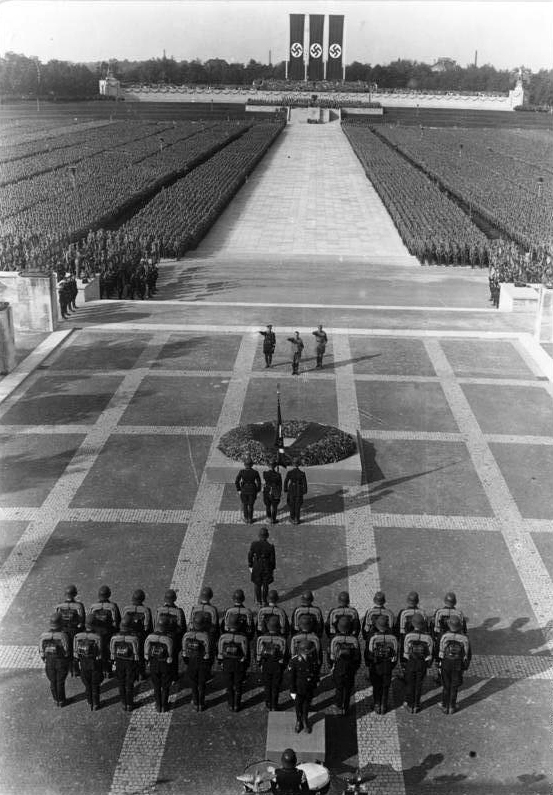
The Nazi regime in Germany masterfully harnessed the burgeoning medium of cinema to construct a powerful, all-encompassing narrative of national superiority and hypermasculine strength. Big-budget feature films produced during this era were not merely entertainment; they were meticulously crafted pieces of propaganda designed to indoctrinate the populace. These films systematically exalted what were, in essence, deformed values:
- Militarism: Soldiers were depicted as ultimate paragons of virtue, their sacrifice glorified, and warfare presented as a noble, cleansing endeavor.
- Racial Self-Glorification: The Aryan race was visually and narratively positioned as superior, strong, intelligent, and pure, often in stark contrast to caricatured "others" who were dehumanized and demonized.
- State Violence: Acts of aggression and suppression were justified as necessary for national security and the preservation of racial purity, transforming brutality into heroic duty.
Through grand spectacles and emotionally charged storylines, Nazi cinema fostered a binary worldview – us versus them – where the "us" represented unquestionable good and the "them" embodied existential evil. This narrative effectively warped public understanding, suppressing critical thought and cultivating a fervent, often aggressive, nationalistic identity rooted in an idealized, powerful male figure.
From WWII to the War on Terror: American Cinema's Echoes
While the historical context and specific ideologies differ, striking parallels can be drawn between Nazi-era propaganda and certain contemporary American hypermasculine nationalism films. "American Sniper," for instance, has been critically analyzed not just as a war film, but as a modern piece of propaganda, functioning as a "tawdry commercial for the crimes of empire." Much like its historical predecessors, it simplifies complex geopolitical conflicts into a clear-cut battle between good and evil, glorifying the individual soldier's actions without deeply questioning the broader context or consequences of war.
These modern films often perpetuate a specific worldview associated with what some term "hypermasculine Christian nationalism." This ideology, characterized by an insular perspective, a "binary vision of good and evil," and a profound skepticism of anything outside its narrow frame, often sees the world in terms of absolute moral battles. In this context, soldiers become almost saint-like figures, unquestioning instruments of a higher purpose. The films can inadvertently foster an environment where critical thinking is sidelined in favor of emotionally resonant narratives that reinforce existing biases, particularly regarding national identity and military intervention. They can contribute to a climate where complex global issues are reduced to simplistic slogans, and foreign cultures are easily demonized, much like the "ragheads" referenced in some extreme rhetoric.
Deconstructing the Narrative: Identifying Hypermasculine Propaganda
Understanding how hypermasculine nationalism films operate is the first step toward critical media literacy. Here are key characteristics to look for when analyzing such narratives:
- Simplistic Good vs. Evil: Nuance is often absent. Enemies are unequivocally bad, often dehumanized or stereotyped, while protagonists represent pure, unquestionable virtue.
- Unquestioning Glorification of Violence: Military action and violence are presented as the primary, often only, solution to conflict, with little exploration of peaceful alternatives or the true costs of war.
- Emphasis on Aggressive Masculinity: The idealized male figure is typically strong, stoic, physically capable, and willing to use force without hesitation. Emotional vulnerability or intellectual pursuits are often downplayed or seen as weaknesses.
- National Exceptionalism: The nation or specific group is portrayed as morally superior, divinely chosen, or uniquely justified in its actions, often at the expense of other cultures or nations.
- Emotional Manipulation: Films frequently use evocative music, dramatic cinematography, and emotionally charged scenes to bypass critical thought and elicit a visceral, often nationalistic, response.
- Suppression of Dissent: Alternative viewpoints or internal conflicts within the "good" side are rarely explored, reinforcing a monolithic national identity.
Practical Tip: When watching a film, ask yourself: Whose story is being told, and whose perspective is missing? What are the underlying assumptions about power, conflict, and morality? How would this narrative be different if told from another character's or culture's point of view? This critical lens allows viewers to engage with content more thoughtfully rather than passively absorbing its intended message.
The Societal Impact: Nurturing Insularity and Conflict
The continuous consumption of hypermasculine nationalism films and the reinforcing media (like certain news channels mentioned in the reference context) can have profound societal repercussions. When these narratives dominate, they can:
- Foster Anti-Intellectualism: By prioritizing simple, emotionally satisfying narratives over complex truths, they can encourage a disdain for nuanced analysis and academic inquiry. This can lead to a preference for "drinking beer and watching football to reading a book," as the reference suggested, where intellectual curiosity is devalued.
- Promote Insularity: The consistent portrayal of an "us vs. them" mentality, especially against perceived foreign threats, cultivates communities that are "proud of their ignorance and anti-intellectualism," with "little understanding or curiosity about the world outside their insular communities."
- Justify Aggressive Policies: When individuals in positions of power, influenced by this binary vision, make decisions, it can lead to "severe trouble for their country." Their "myopic self-adulation" and simplistic view of good and evil can fuel conflicts and perpetuate cycles of violence, both domestically and internationally.
- Dehumanize the Other: The consistent demonization of specific groups or nations makes it easier to justify aggression against them, eroding empathy and understanding. The casual use of derogatory terms against foreign populations highlights this dangerous trend.
By understanding these potential impacts, we can begin to challenge the narratives that seek to divide and conquer, instead advocating for more diverse and empathetic storytelling.
Conclusion
From the meticulously crafted propaganda of the Nazi era to contemporary films like "American Sniper," the power of cinema to shape perceptions and reinforce hypermasculine nationalist ideologies remains undeniable. These films, by glorifying militarism, simplifying complex conflicts, and often dehumanizing "the other," contribute to a worldview that can be insular, anti-intellectual, and ultimately detrimental to peace and understanding. Recognizing the characteristics of such propaganda and actively engaging with media critically are essential skills in today's media-saturated world. By demanding and promoting narratives that embrace complexity, foster empathy, and champion genuine understanding over division, we can begin to counteract the pervasive influence of hypermasculine nationalism's grip in our cinematic landscape and beyond.